Delbarton School & St. Mary’s Abbey

Delbarton School is a private school in Morristown, New Jersey educating male students, grades 7-12. The educational model is based on the Benedictine tradition. The school was started by and is still closely connected to the monks of St. Mary’s Abbey. The two organizations share a campus and the grounds and Abbey Church are used by the entire community. Members of the monastic community teach and have served as headmasters of the school since its inception. Understanding this relationship and the values of the Benedictine tradition informed the choices the client would make over the course of the philanthropic placemaking work.
St. Mary’s Abbey and Delbarton School seek to educate the mind, body and spirit of their students. By design, from the moment one steps on campus, the commitment to excellence in academics, athletics and the arts is apparent. Hospitality is emphasized as a Benedictine value applied to every aspect of the campus. The Delbarton campus is designed to make everyone–monk, student, faculty, family members and visitors–feel welcomed, included and inspired. The slogan, “All he is called to” implores students to live up to their potential and each donor, community partner or alumni to provide support that improves lives and makes the world a better place.
Outcomes
-
Heurista was engaged when the headmaster convened a committee charged with developing a comprehensive plan for improving storytelling on the school’s campus. Discovery identified multiple opportunities for philanthropic placemaking: revamped wayfinding signage, interpretive signage to share the history, vision and values of the school, an new recognition signage. The opportunities grew once the work was underway.
The charge included documenting new policies and procedures that would better inform the design process and guide future projects and collaborating with on-campus stakeholders and other design and fabrication resources.The timing for this project coincided with a comprehensive fundraising campaign to support the School as well as the Abbey. -
Following the discovery period, Heurista drafted a recommendations report forecasting work that would take several years to complete. It included policy and procedure planning; naming opportunity valuation and documenting processes; design for donor recognition, various awards, and key naming opportunities; branded graphics and architectural enhancements for new construction and upcoming renovations; and full replacement of the wayfinding sign program. The plan included a suggested order for the work ahead, budgets, and a schedule of roles and responsibilities.
Over the course of the work, many teams would be involved, including Abbey and School leadership, Institutional Advancement, Marketing and Communications, Buildings and Grounds, the archivist, IT and special projects managers. Additionally, Heurista was chosen to lead coordination with outside resources including several sign and display manufacturers. -
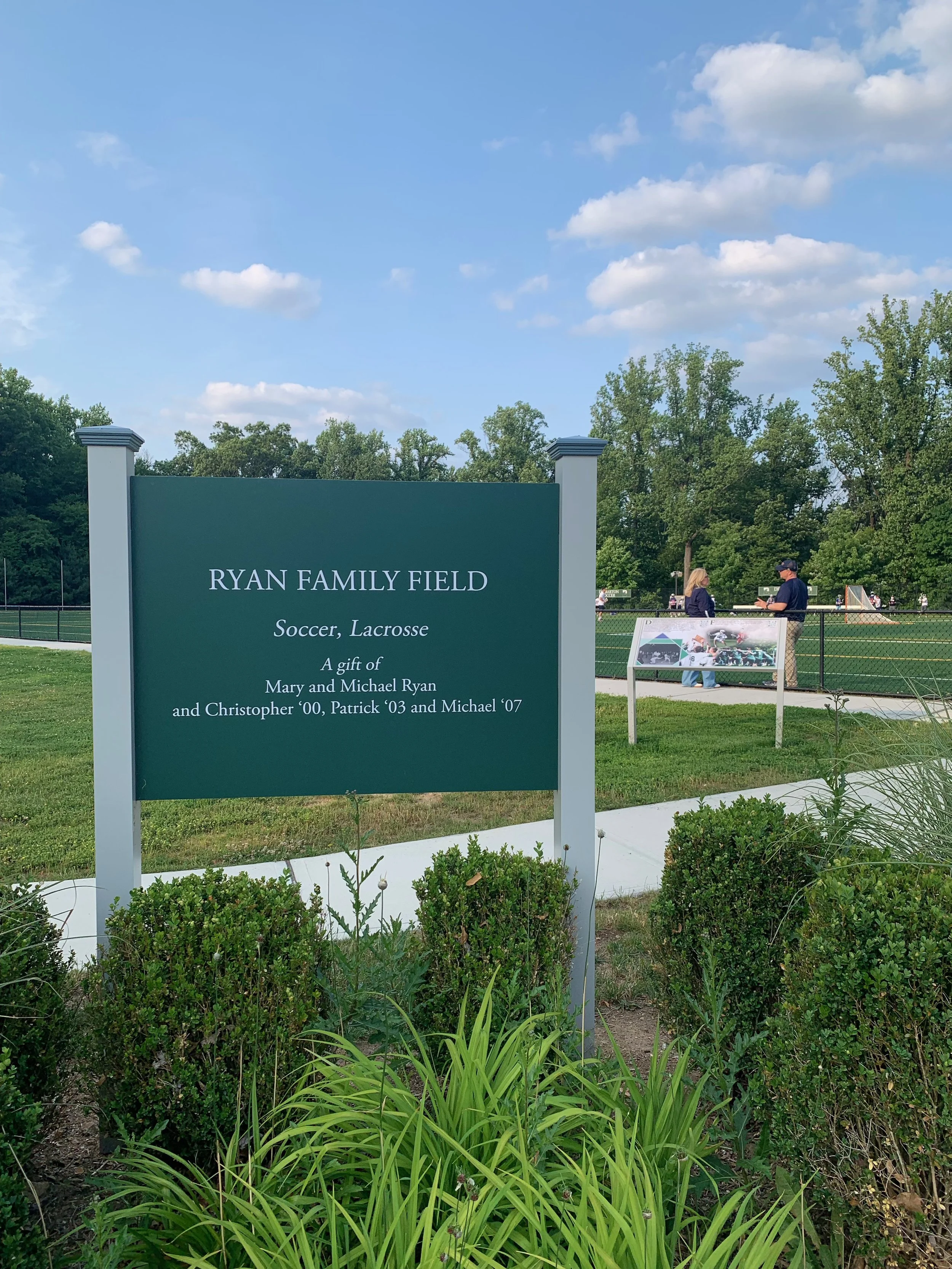
Naming opportunities were an important tool to major gifts fundraising for the campaign. Heurista helped in the creation of a consolidated naming opportunities inventory to track all existing, offered and reserved naming opportunities. This work was followed by the design of a hierarchy of signs corresponding with various gift amounts. The design featured new standards for the listing of family members and included brief content about each donor. This change supported the goal of improving storytelling across campus and contributed to the goal of more inclusive and culturally-specific donor recognition practices.
-
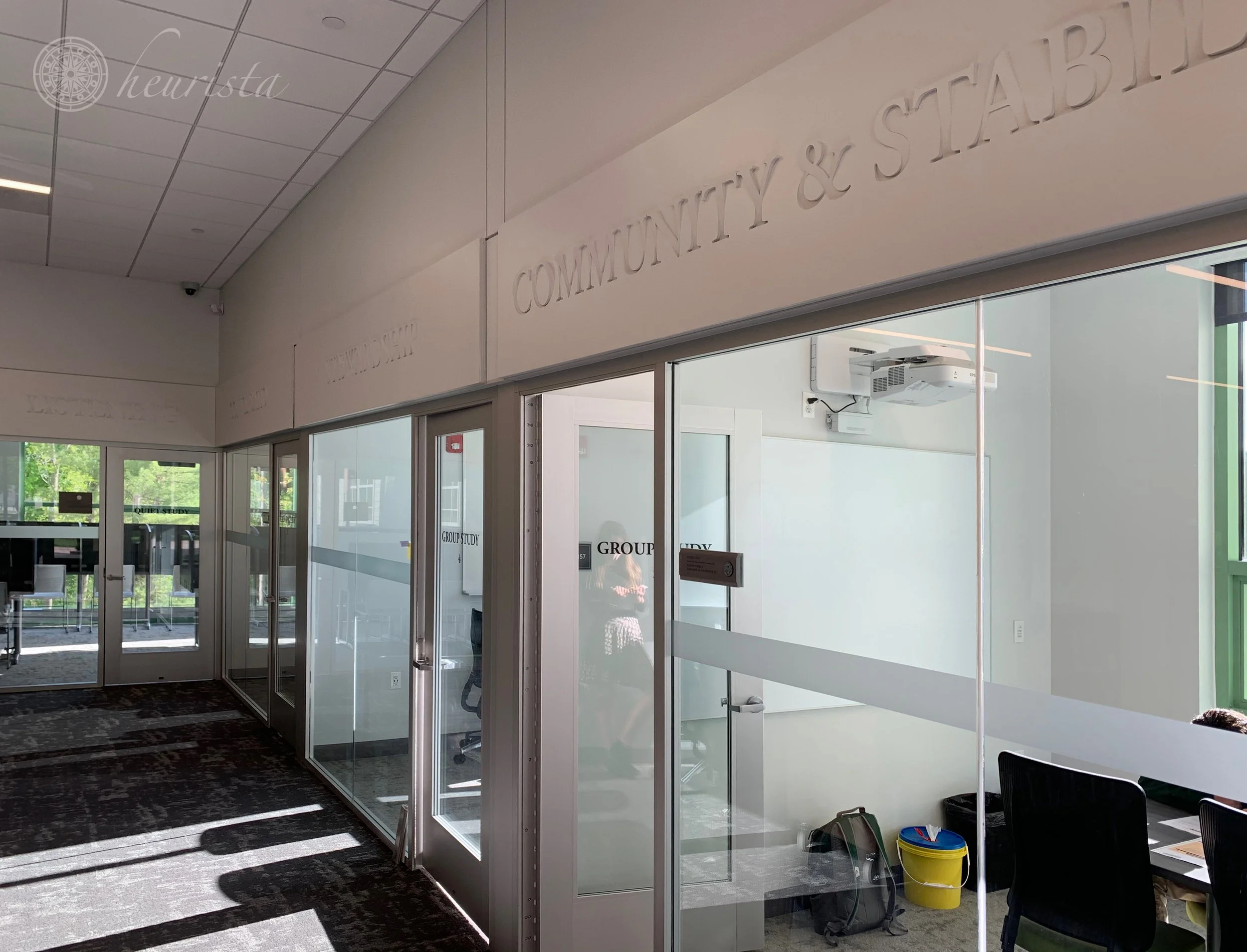
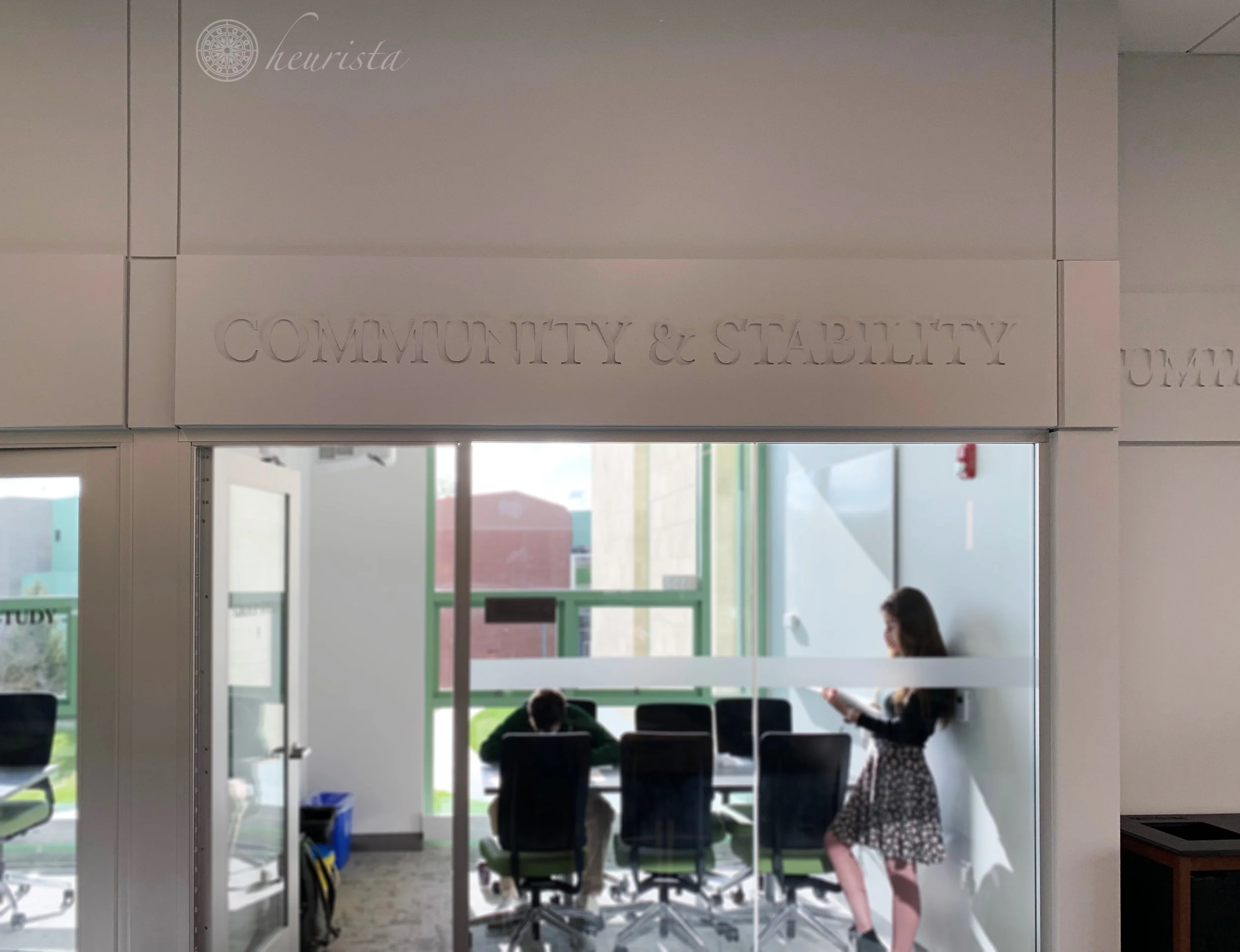
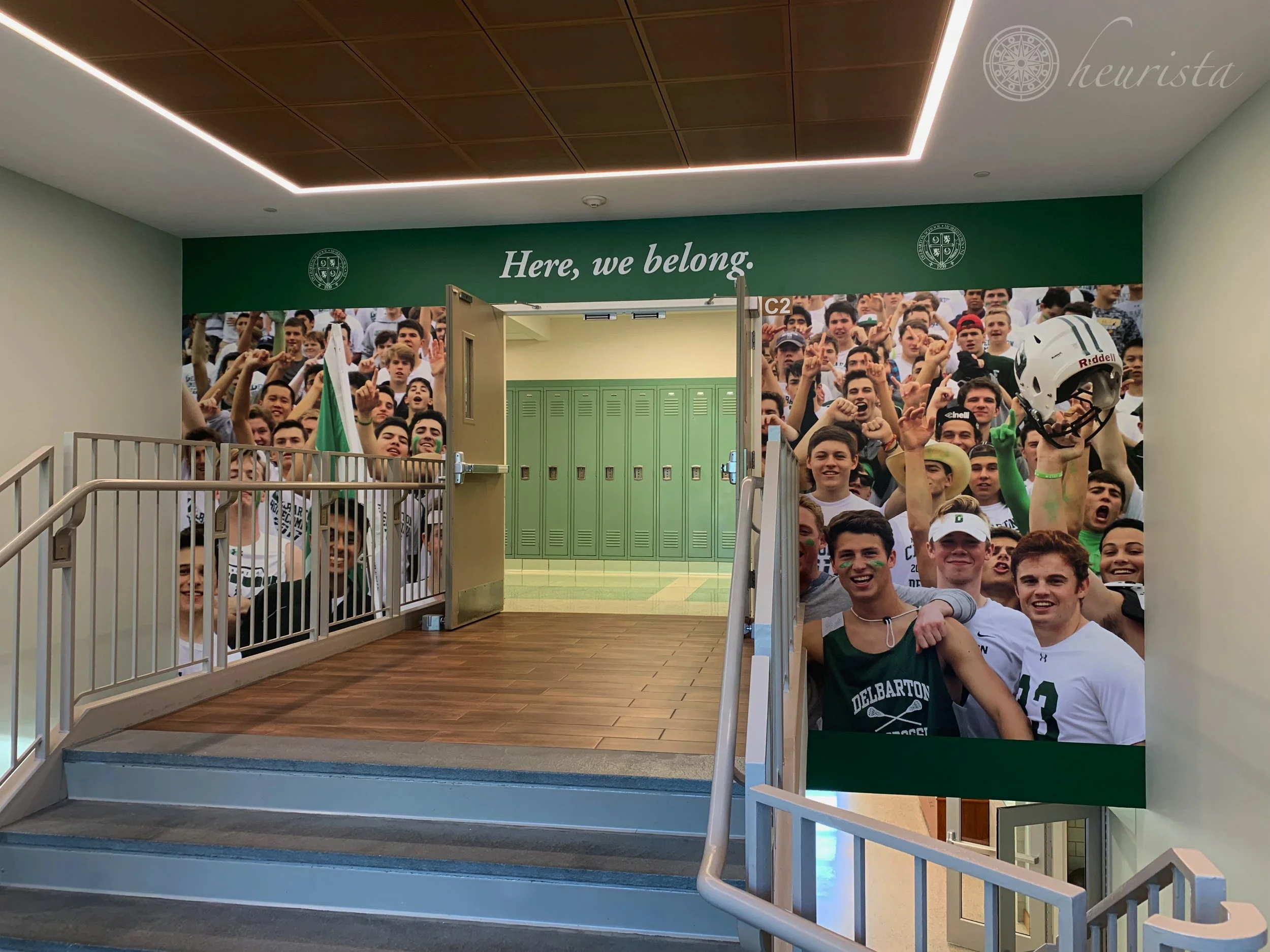
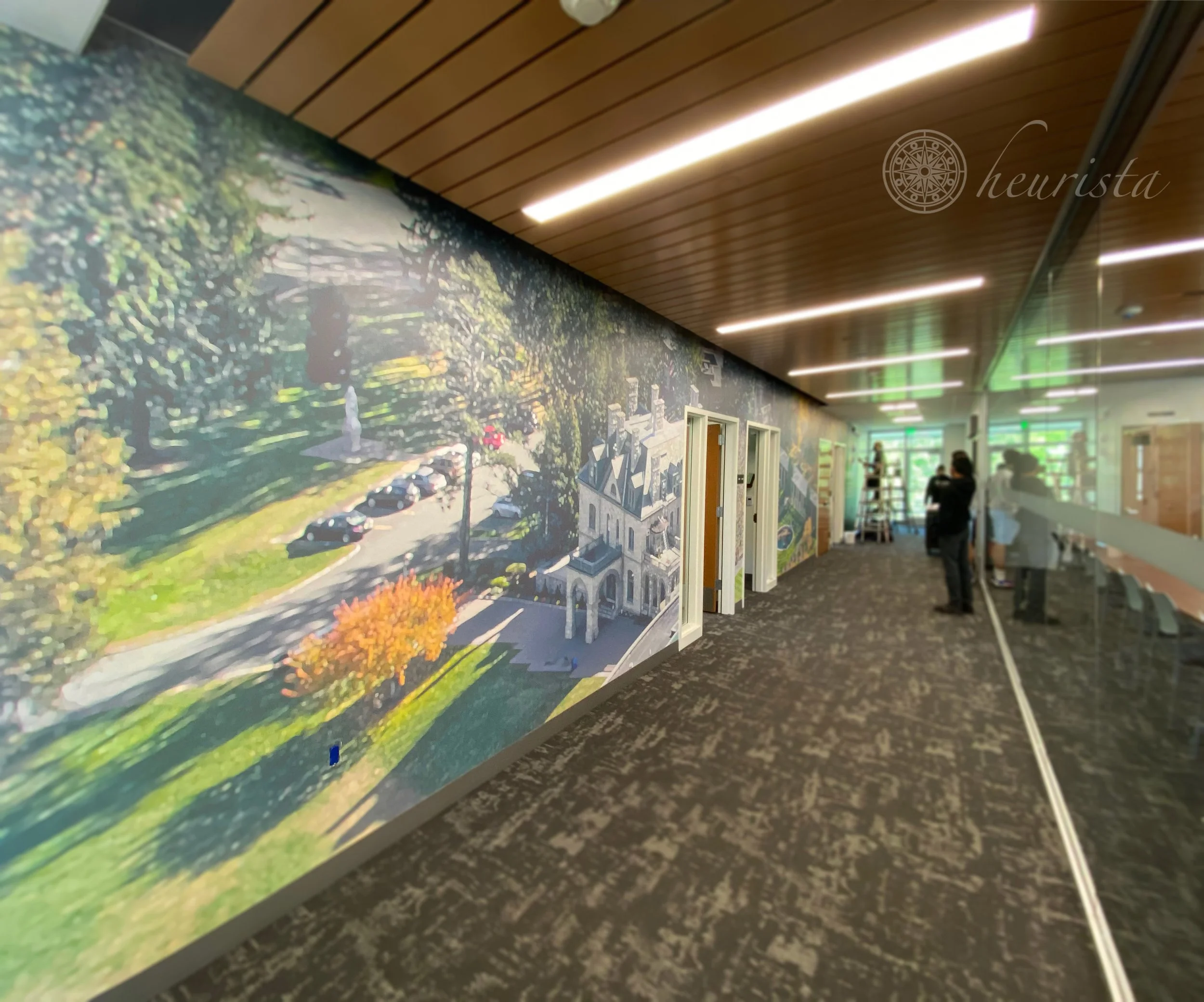
Delbarton School welcomed the addition of large environmental graphics installed in key public areas. Many areas were enhanced with large, full color prints. In the new library, the school’s Benedictine hallmarks were artfully applied to the soffit. These graphics provide context for the traditions and culture shared over the decades.
-
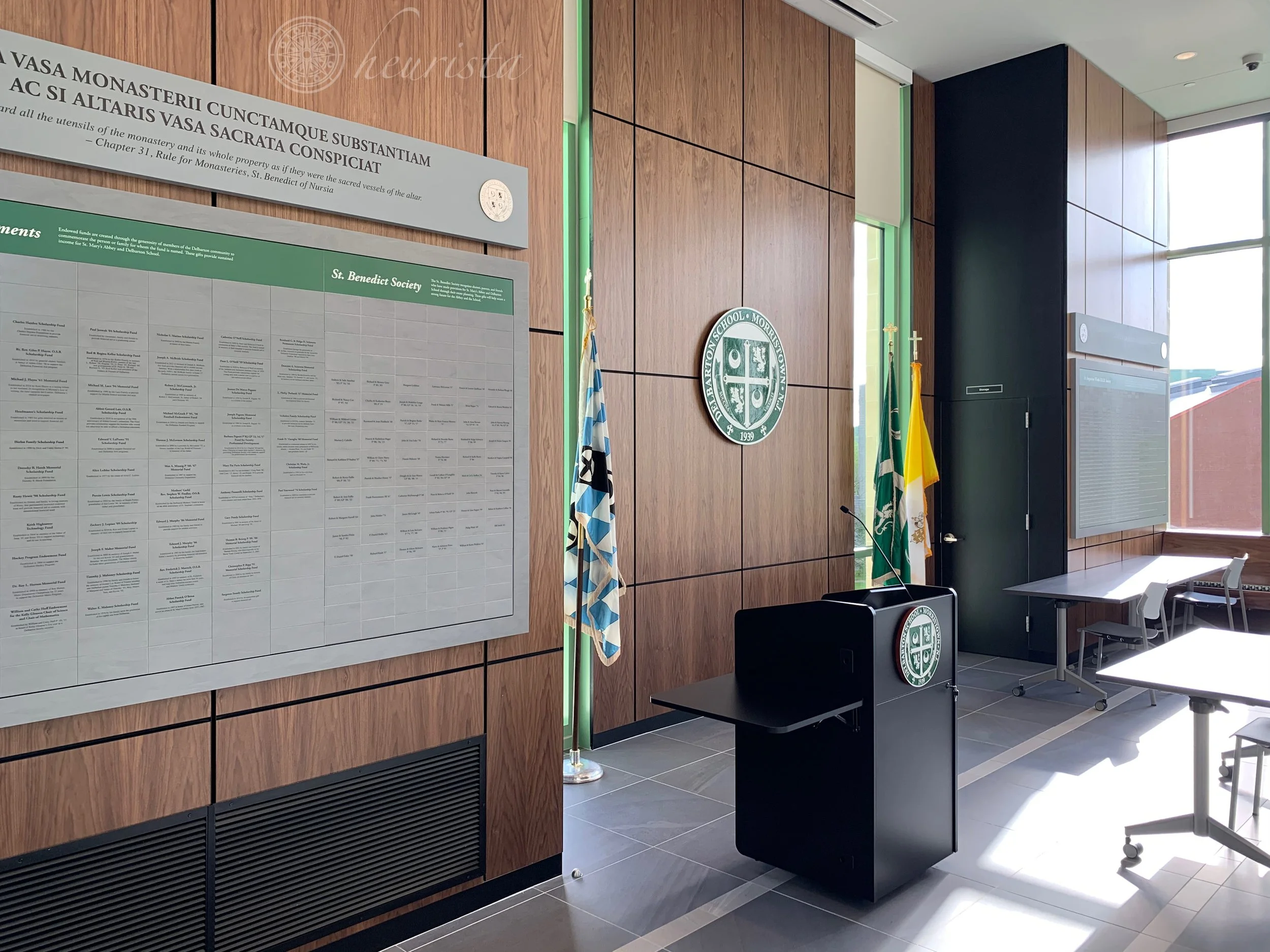
Heurista worked with the school and abbey to develop strategies that would recognize donors using methods that were easy to maintain over time. Large displays featuring magnetically retained plaques, visually coordinated with the area naming program and brand identity, were installed to celebrate the schools’ top donors.
-
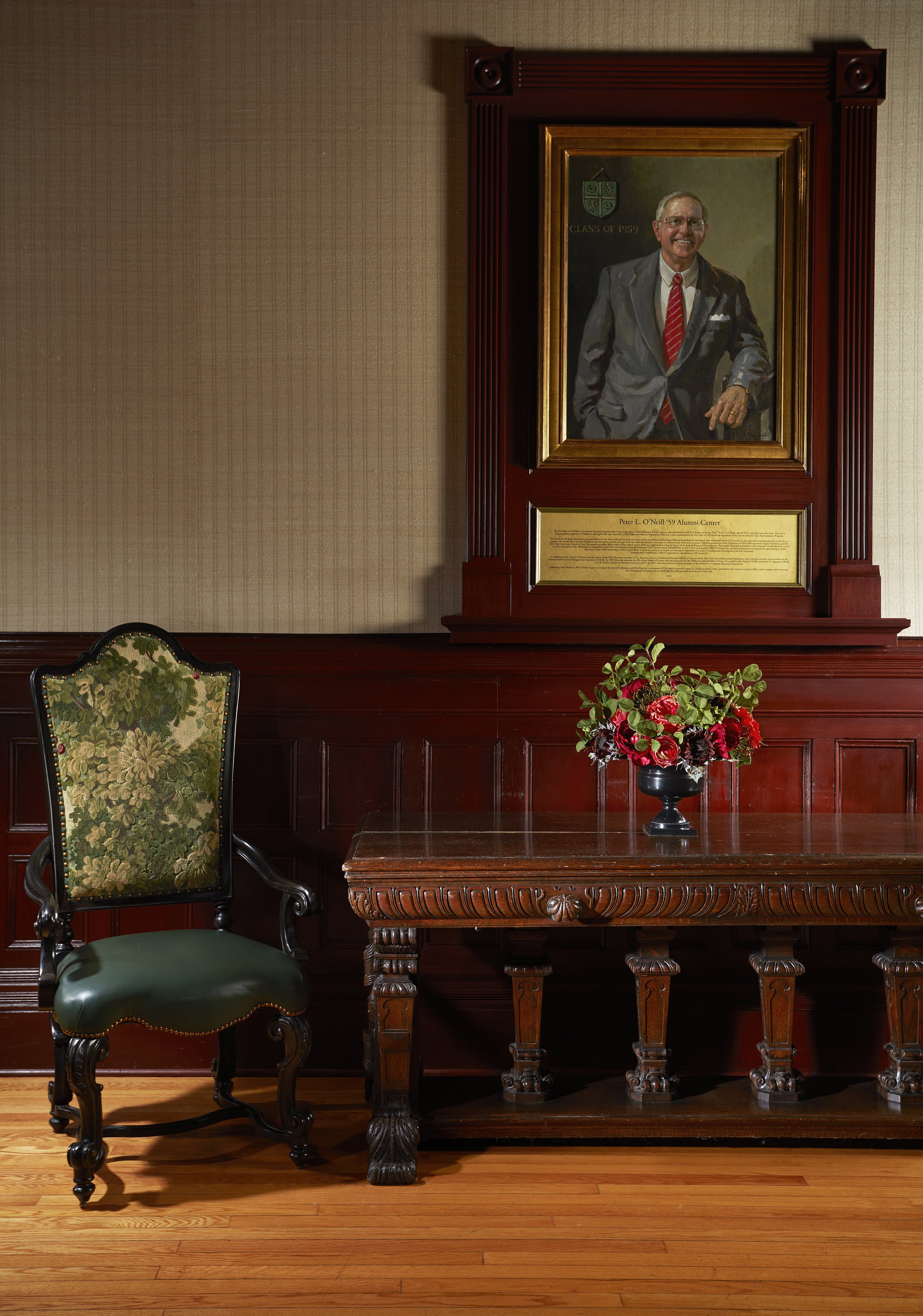
At the heart of the Delbarton campus there stands a grand old building, beloved by all. Old Main, as the building is known, is the emotional center of the Delbarton community. Following the death of Peter L. O’Neill ‘59, his wife Rebecca O’Neill funded the refurbishment of Old Main to commemorate her husband’s commitment to Delbarton and the Peter L. O’Neill ‘59 Alumni Center was named. Recognition of distinguished service was included in the renovation plan. The Delbarton Hall of Honor, Alumni Association presidents and presidents of the Mothers Guild and Fathers and Friends Association are also showcased this building.
-
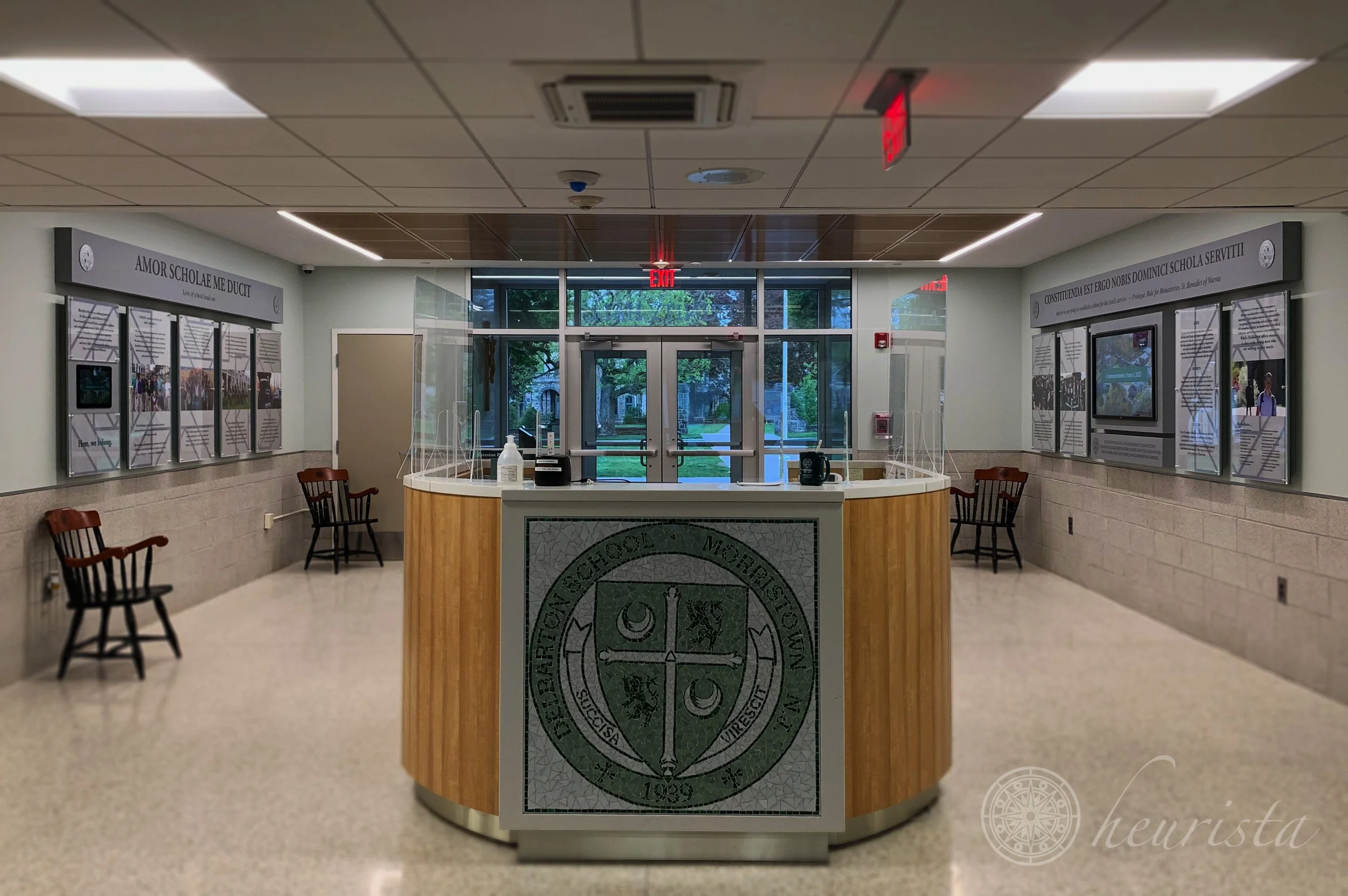
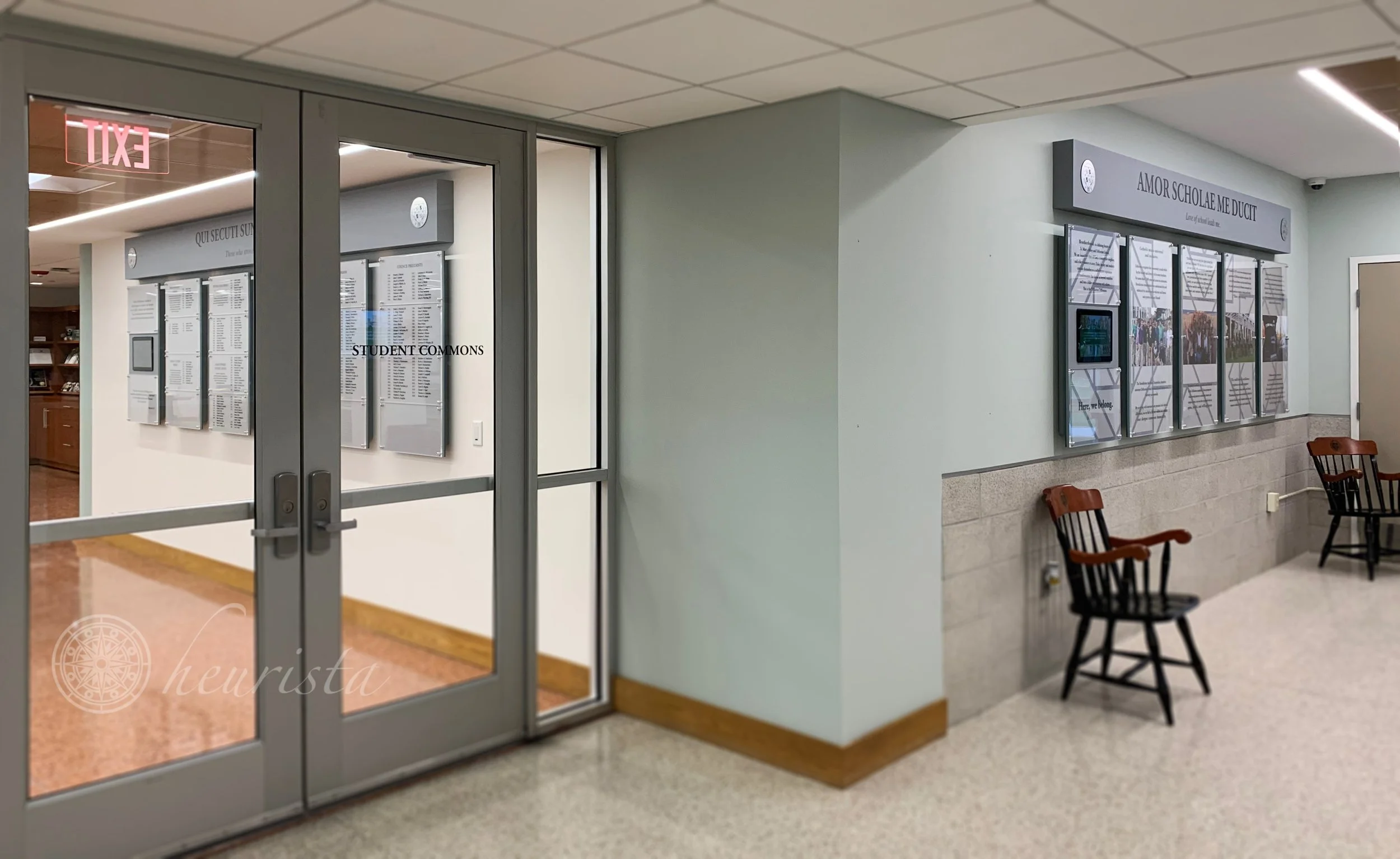
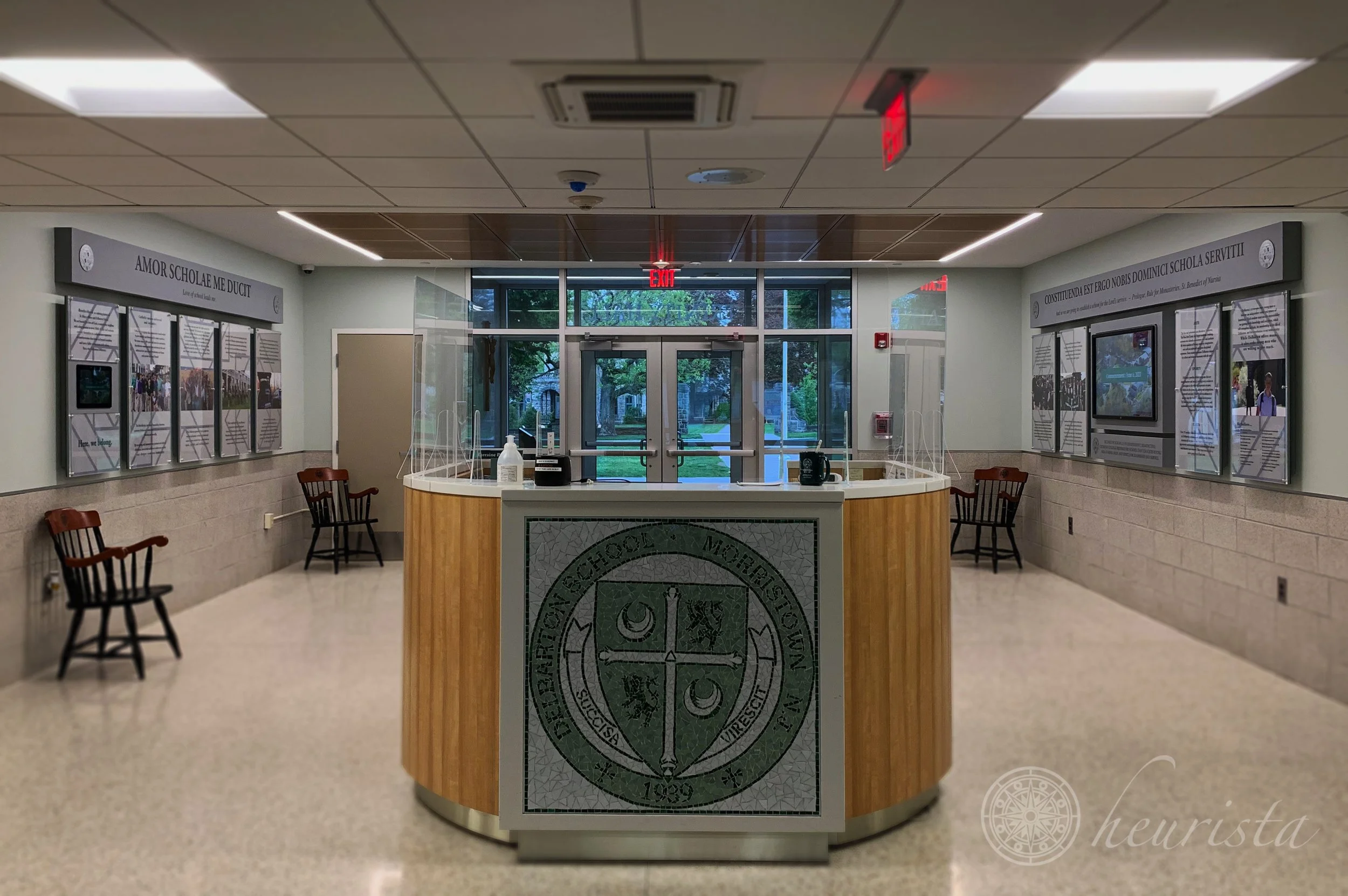
Recognizing student success is an important part of the Delbarton culture. A display located in the student lounge recognizes the recipients of more than a dozen annual awards. The display is update each June, immediately following the awards announcements at graduation.
-
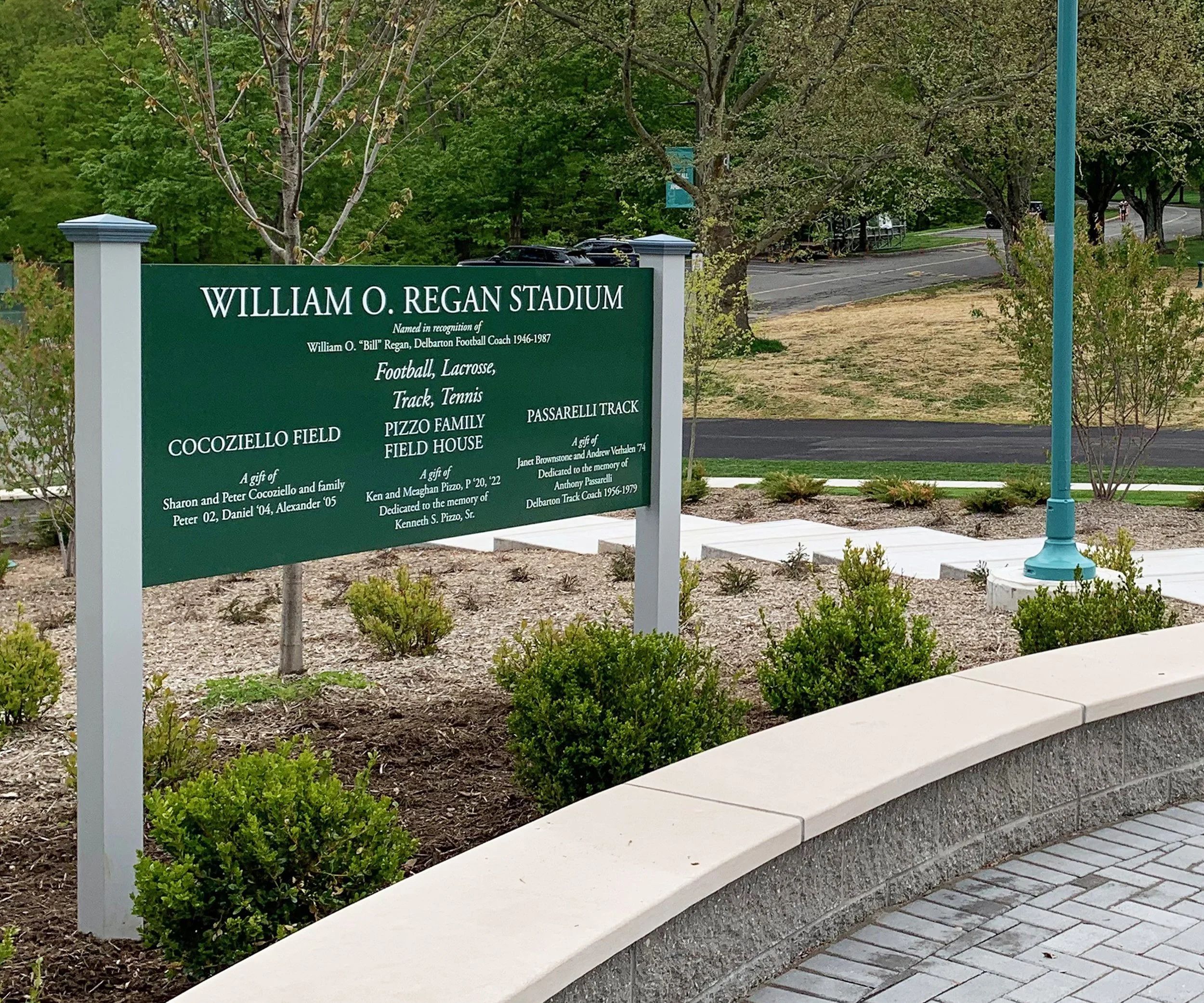
When Heurista’s work began, the wayfinding signs on the Delbarton campus were aging and incomplete in the information they provided, especially for visitors to the campus. As part of the Benedictine commitment to hospitality, the sign program was fully redesigned to provide better direction, coordination with brand identity, and integrate donor recognition. Heurista served as the project manager for design, fabrication and installation of all new signs on the 187-acre campus, including large maps that can be updated as required.
-
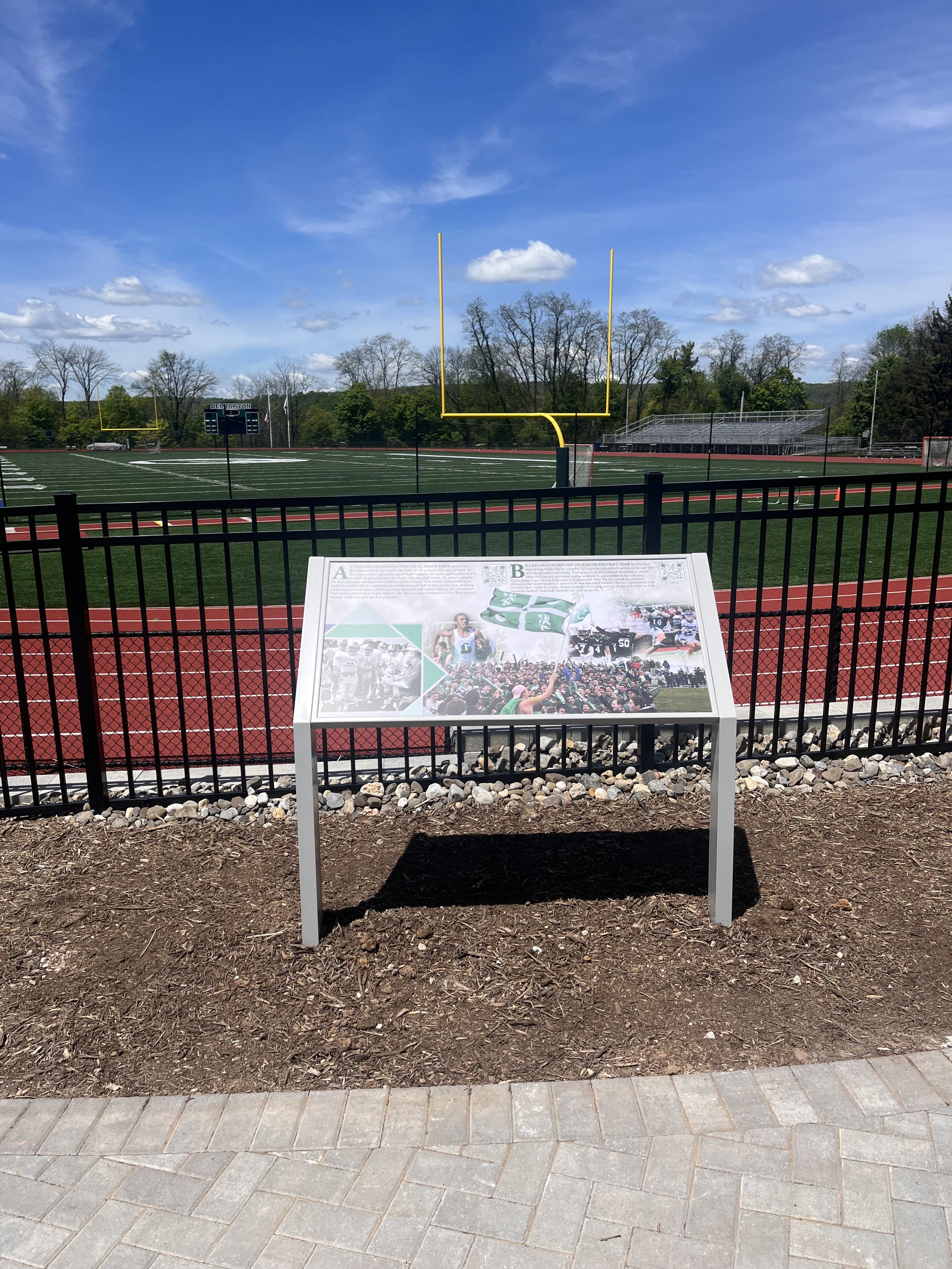
A critical element of the charge set by the headmaster was improving storytelling on campus. Delbarton is a place that cherishes history and celebrates the many generations who have contributed to the shared sense of community shared by the Green Wave, the moniker for Delbarton students and alumni. Historical information, donor recognition and general interpretation of the campus were presented together on outdoor kiosks placed at key visitor locations across campus.
-
![An image of a painting of Peter O'Neill inside of Old Main at Delbarton School.]()
Peter L. O’Neill '59 Alumni Center Recognition Portrait
-
![An image of a hallway.]()
Environmental graphics featuring Delbarton Hallmarks
-
![An image of a common area at Delbarton School]()
Updatable grouped units featuring Delbarton History and Student Awards
-
![An image of a classroom at Delbarton School.]()
Endowments, planned giving, and cumulative giving recognition grouped units
-
![An image of a student standing inside of a study lounge.]()
Environmental graphics featuring Delbarton Hallmarks
-
![A image of a wall featuring graphics and pictures of students at a sporting event.]()
Environmental graphics
-
![An image of the sign for the Ryan Family Field at Delbarton School.]()
Exterior wayfinding and donor recognition program
-
![An image of a hallway at Delbarton School.]()
Environmental graphics
-
![An image of a sport field.]()
Outdoor story-telling kiosk
-
![An image of a common area at Delbarton School.]()
Updatable grouped units featuring Delbarton History and Student Awards
-
![An image of the sign for the William O. Reagan Stadium at Delbarton School.]()
Exterior wayfinding and donor recognition program