Recognition as a Tool for Community Engagement
A nonprofit can create a memorable sense of place, one that generates a sense of belonging for every member of the community no matter how they are engaged with the organization’s mission. This space doesn’t have to be new or big or fancy. It doesn’t matter if you own or rent it or if people don’t visit it very often. The point is to recognize the community members for how they contribute to the mission, to show them how they make a difference in people’s lives.
The concept of “community” here is broad. It includes the people who work as employees or volunteers, those who participate or receive services, those who attend events or simply pass through. It even includes those who may never visit the physical place. Think about how public television and radio build community… they thank people on the air, the only “place” they share! Note, too, the phrase they use to include everyone: “...viewers like you.”
When people feel connected, they’re much more likely to support the nonprofit’s mission—whether that’s through participating, advocating, volunteering, donating, or all of the above. Giving people a intentionally-designed place to experience…or even imagine experiencing… helps build that connection, creating a sense of belonging and shared purpose tied to where the nonprofit’s work happens.
So how does creating a sense of place actually help foster engagement?
It creates emotional connections.
People are naturally drawn to causes that resonate with them. When a nonprofit shares stories about how their work is achieved, it helps people feel something—empathy, camaraderie, and a genuine connection to other people. Viewers want to participate in that experience.
It makes impact more tangible.
There’s something powerful about seeing examples in a designated environment that makes them memorable. It becomes easier to imagine oneself as part of the action if a mental image is formed through multiple sensory experiences.
It builds a sense of belonging.
Seeing oneself in the story, literally or by implication, makes the audience feel a part of the community. To encourage that feeling, be broad when choosing who is represented in the stories and photography used. If the recognition includes a list, be inclusive and thank collectively.
It shows authenticity and builds trust.
By reflecting the values of the community, a nonprofit shows alignment with its community and reinforces its reputation as a positive influence in shared goals.
It encourages deeper engagement.
Showcasing activities and opportunities specific to the mission gives people information about how and why to connect with and support the mission. Often, those who are already participating want to do or give more when they can see their contribution is appreciated.
Thoughtful recognition helps build a culture of philanthropy—one where people understand the impact of their support and feel inspired to be part of something bigger. When done well, recognition starts by highlighting the impact on the community, then connects that impact to shared values, and finally celebrates the individuals who made it possible.
Heurista works with our clients to recognize philanthropy through environmental graphics. At its core, philanthropy means “love of humanity.” It’s about giving time, talent, or resources to make a positive difference in people’s lives. One of the best ways to nurture that spirit is by recognizing the people who participate in achieving that mission. Telling stories about how the nonprofit and its supporters improve lives helps welcome others and encourage them to give.
Here are a few examples of recognition in action. Notice how different they are. Each display is visually engaging and showcases the unique character of the community it recognizes. You can feel the celebratory nature of the presentation long before you can read the specific information presented. These displays become signature destinations that are remembered and the community aspires to support these winning nonprofit organizations.
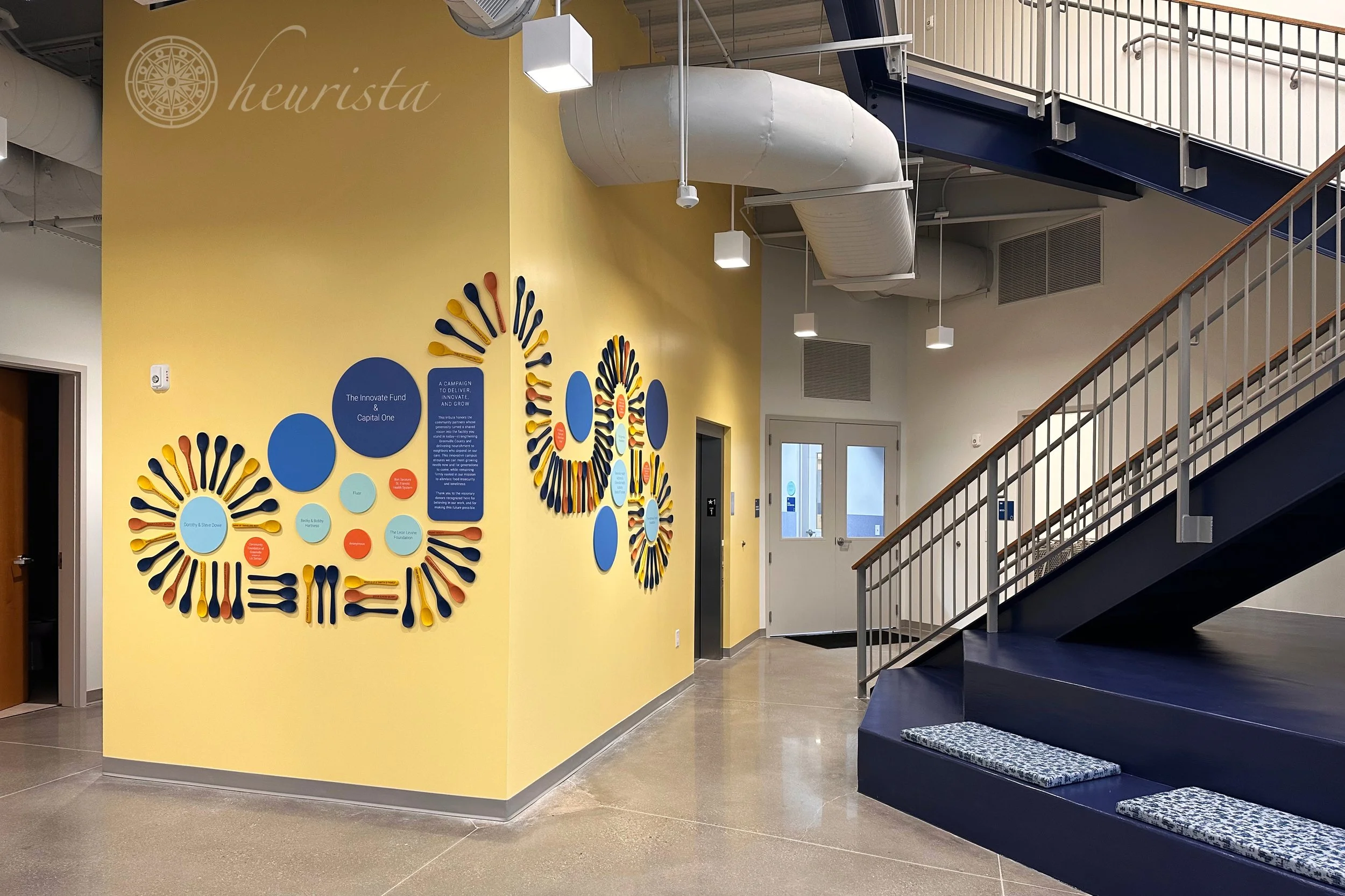
Using wooden spoons as a symbol for offering love and care, Meals on Wheels Greenville, SC recognizes capital campaign donors who supported the construction of a dynamic new facility, greatly expanding the organization’s capacity to provide healthy food delivered by compassionate volunteers.
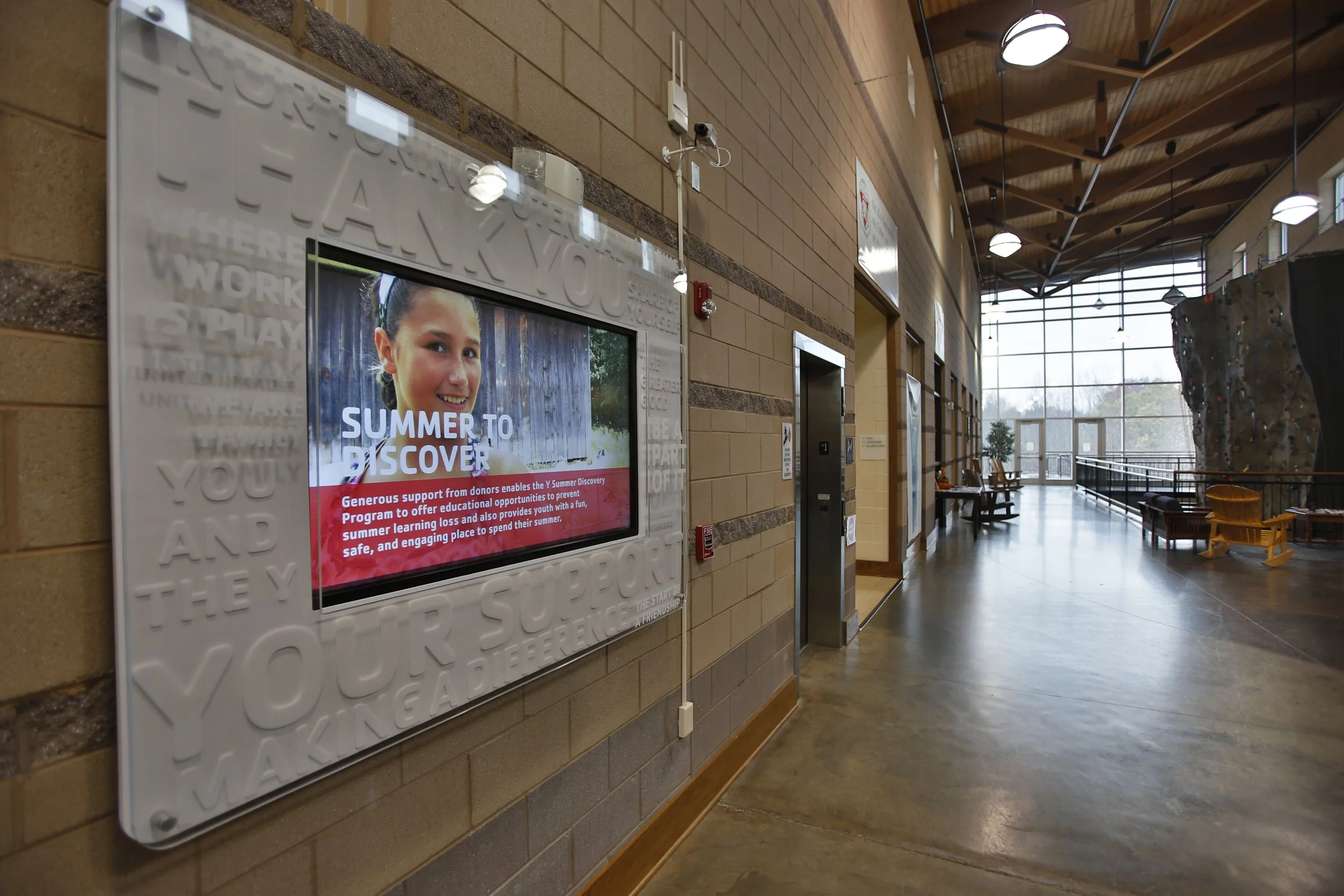
Each branch of the YMCA of Western North Carolina uses digital recognition to showcase activities and accomplishments specific to their community. The touchscreens allow users to further explore the opportunities for engagement offered by the Ys.
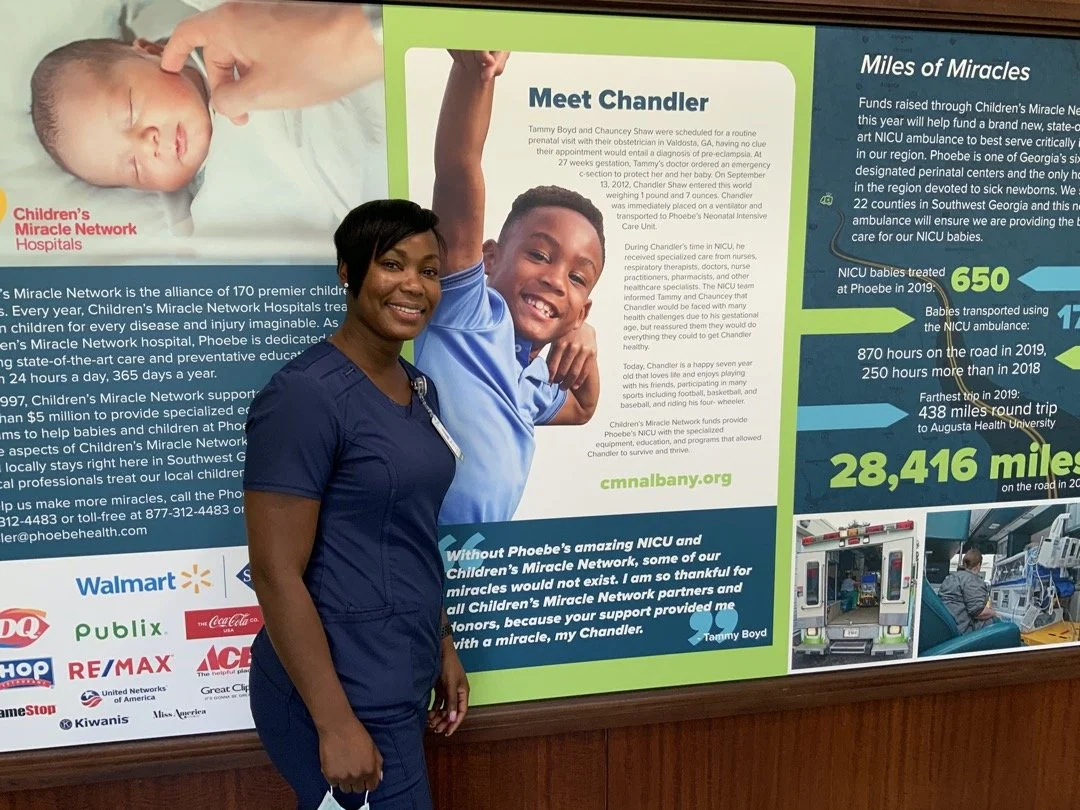
Tammy Boyd, an employee at Phoebe Health, is glad to stand by the larger-than-life story of her son, Chandler, who was cared for by the Phoebe NICU. Celebrating stories of success helps motivate additional community support.
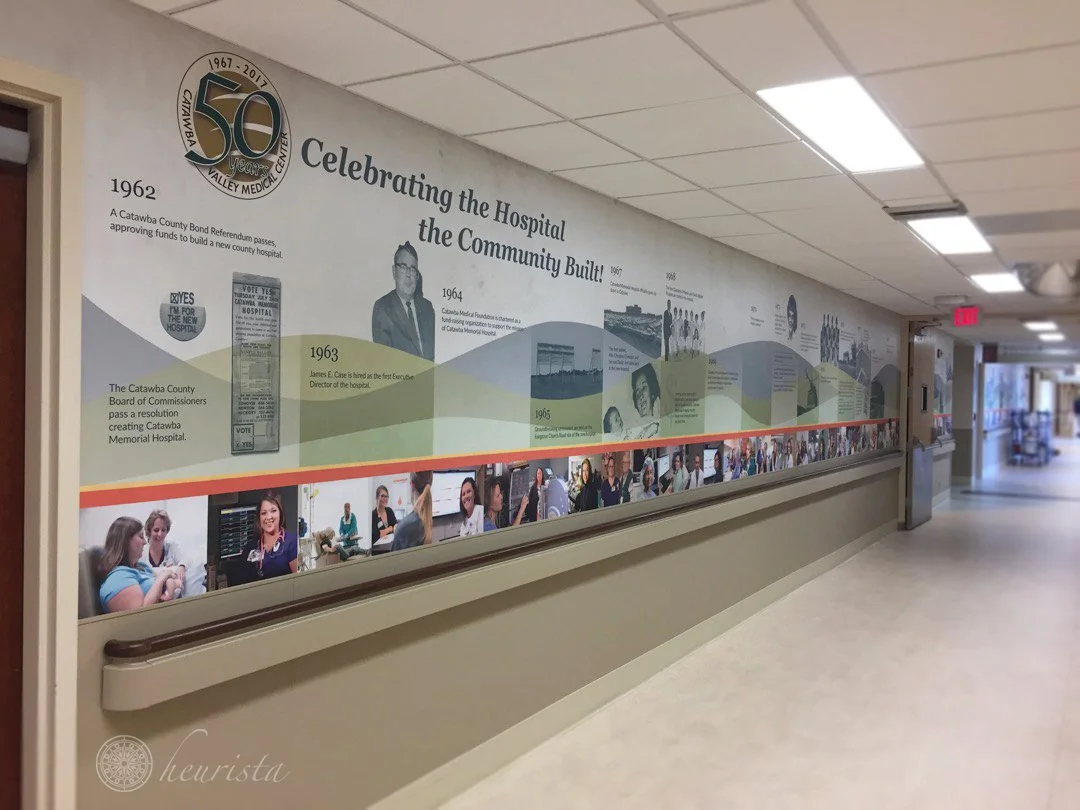
Healthcare providers, patients, and families are celebrated along with major milestones in the 50th Anniversary timeline at Catawba Valley Medical Center. The timeline is designed to grow as the community and its stories continue.